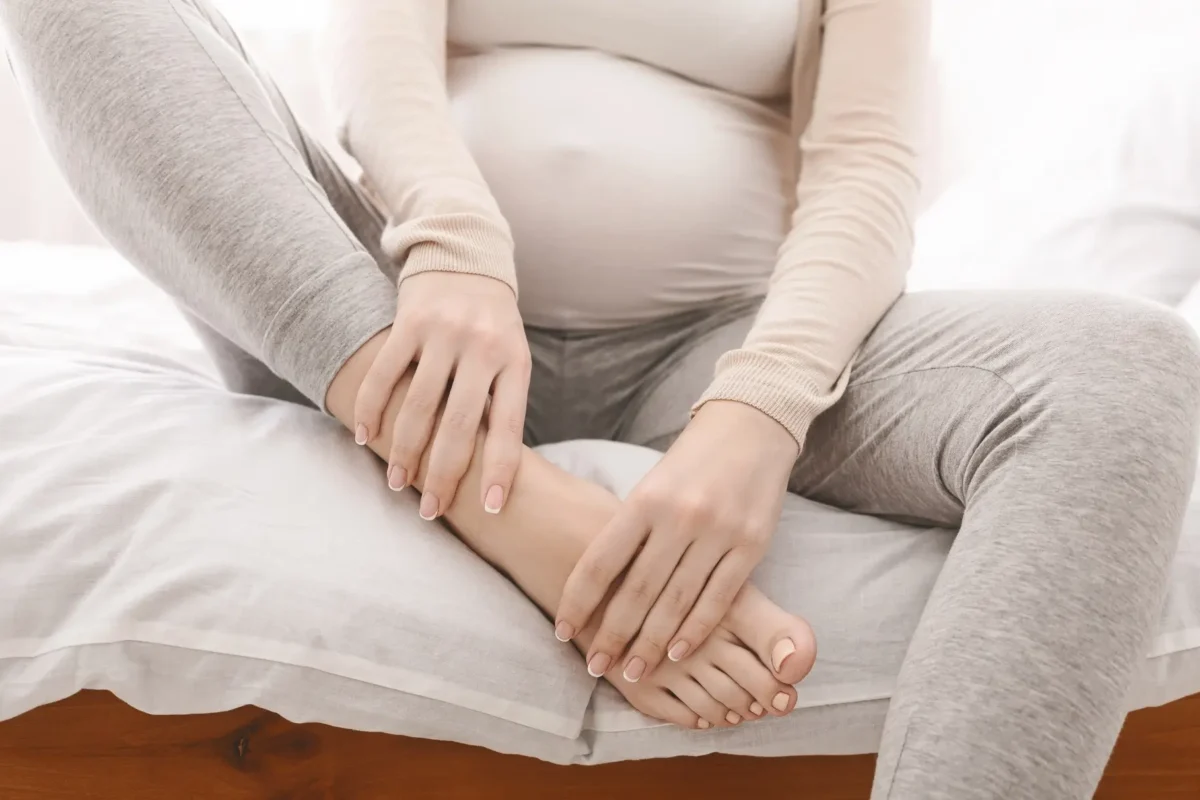
Varicose Veins After Pregnancy: Will They Go Away?
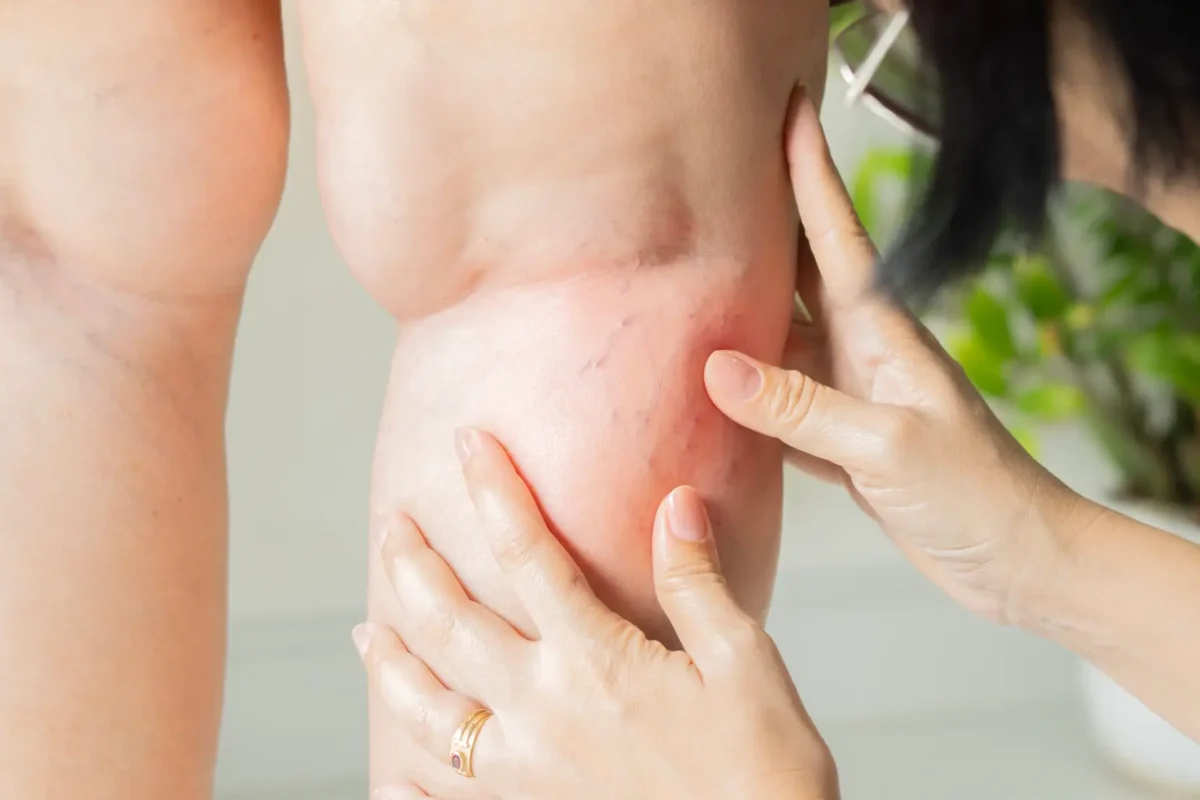
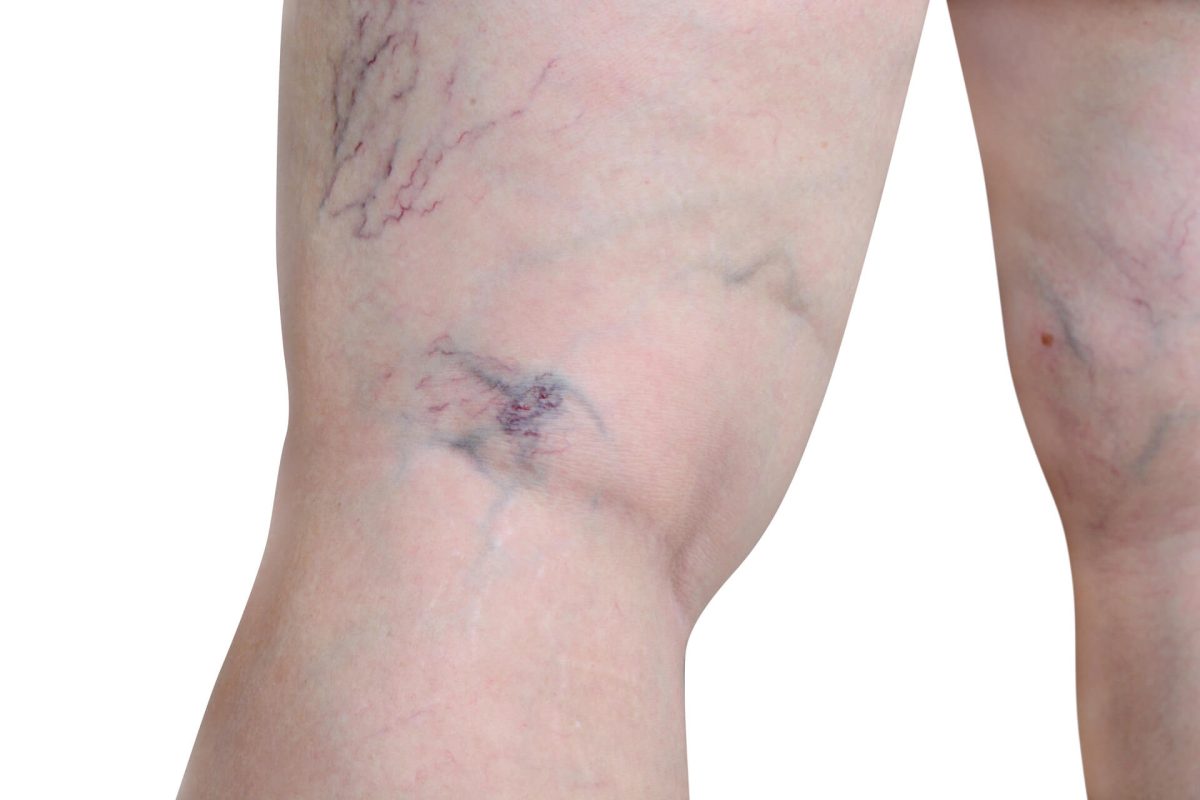
Pregnancy brings many changes to a woman’s body, and one common concern many new mothers notice is the appearance of varicose veins on the legs. These veins may look swollen, twisted, or bluish and can sometimes cause heaviness, itching, or discomfort.
A common question women ask is: “Will varicose veins disappear after pregnancy, or do they require treatment?”
In many cases, mild veins improve after delivery. However, some veins persist and may require professional care. If you are looking for varicose veins treatment in Mumbai, consulting a specialist can help prevent complications and restore vein health.
At Surekha Varicose Veins Clinic, Dr. Ashish Dhadas offers advanced and minimally invasive solutions for varicose veins, spider veins, and other vein-related conditions.
Why Do Varicose Veins Develop During Pregnancy?
Pregnancy increases pressure on the veins in the legs. Several factors contribute to the development of varicose veins during this time.
Increased Blood Volume
During pregnancy, blood volume increases significantly to support the growing baby. This extra blood can put pressure on veins and cause them to enlarge.
Hormonal Changes
Pregnancy hormones relax the vein walls, making them more likely to stretch and form varicose veins.
Pressure from the Growing Uterus
As the uterus grows, it presses on the pelvic veins, slowing blood flow from the legs back to the heart.
Family History
Women with a family history of vein problems are more likely to develop varicose veins during pregnancy.
Will Varicose Veins Go Away After Pregnancy?
In some cases, varicose veins may improve within 3–6 months after childbirth as hormone levels stabilise and pressure on the veins decreases.
However, veins may not completely disappear if:
- The veins were severe during pregnancy
- There were vein problems before pregnancy
- There have been Multiple pregnancies
- There is a strong genetic predisposition
When varicose veins remain after delivery, seeking varicose veins treatment in Mumbai can help improve both appearance and comfort.
Common Symptoms of Post-Pregnancy Varicose Veins
Many women experience symptoms such as:
- Bulging blue or purple veins
- Leg heaviness
- Swelling in the ankles
- Burning or itching sensation
- Leg cramps at night
- Skin discolouration around veins
If these symptoms persist, it is advisable to consult a varicose veins specialist in Mumbai.
Effective Varicose Vein Treatments Available in Mumbai
Modern treatments are minimally invasive and designed for quick recovery. At Surekha Varicose Veins Clinic, patients can benefit from advanced procedures.
Laser Treatment for Varicose Veins
Laser therapy seals the affected vein using targeted heat energy, causing it to close and eventually be absorbed by the body.
Benefits
- No major surgery
- Minimal discomfort
- Quick recovery
- Effective results
This is one of the most recommended options for laser varicose vein treatment in Mumbai.
Radiofrequency Ablation (RFA)
This treatment uses radiofrequency energy to close damaged veins.
Advantages
- Minimally invasive
- Performed under local anesthesia
- Very little downtime
It is widely used for advanced varicose veins treatment in Mumbai.
CLaCS Treatment for Spider Veins
CLaCS (Cryo Laser and Cryo Sclerotherapy) is an advanced solution for spider veins and small varicose veins.
This treatment is popular for patients looking for cosmetic spider vein treatment in Mumbai.
Tips to Manage Varicose Veins After Pregnancy
While some veins improve naturally, these lifestyle tips can help reduce discomfort:
- Elevate your legs when resting
- Avoid standing for long hours
- Wear compression stockings
- Maintain a healthy weight
- Engage in light exercise such as walking
- Avoid tight clothing around the waist and legs
These steps can support circulation and prevent the condition from worsening.
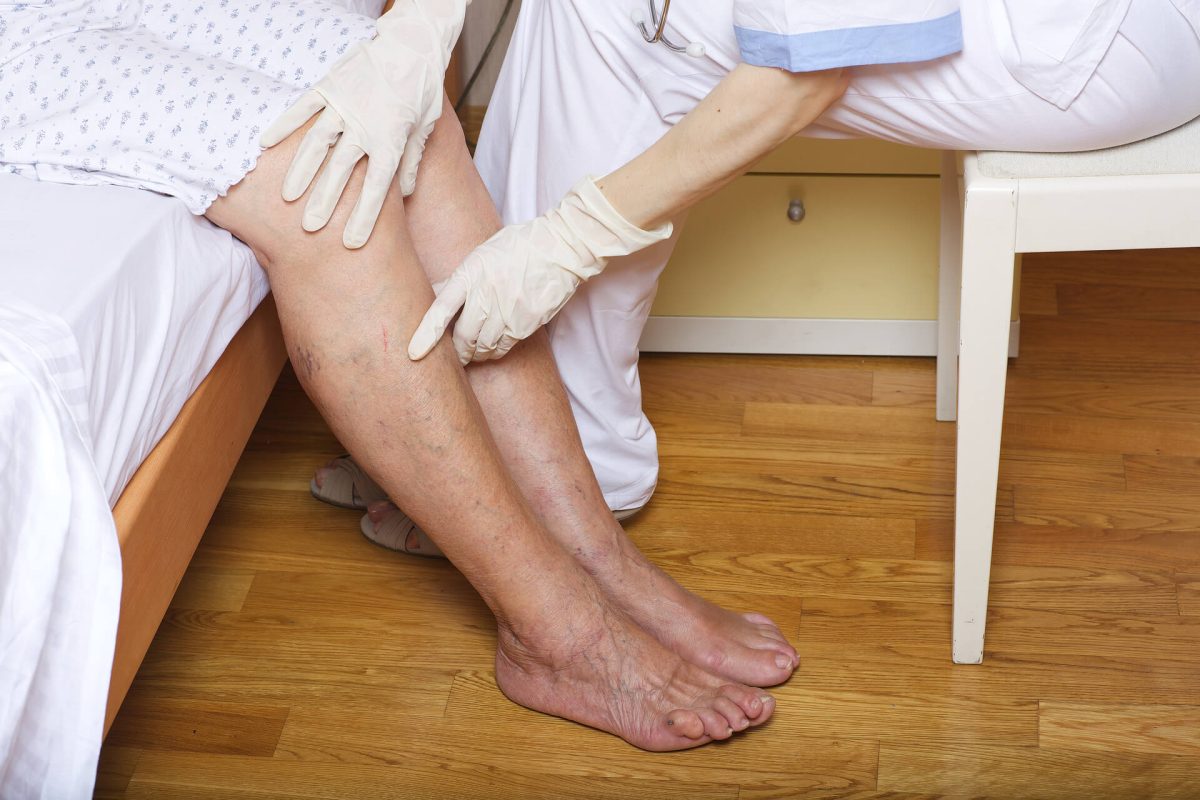
When Should You See a Varicose Vein Specialist?
You should consult a doctor if:
- Varicose veins remain months after delivery
- Pain or swelling increases
- Skin around the veins changes color
- There are signs of ulcers or bleeding
Early diagnosis helps prevent complications and ensures the most effective treatment.
Varicose Veins Treatment in Mumbai by Dr. Ashish Dhadas
If you are experiencing persistent veins after pregnancy, expert care can help you regain comfort and confidence.
Dr. Ashish Dhadas at Surekha Varicose Veins Clinic provides advanced, minimally invasive treatments for patients across Mumbai, Thane, and Dombivli.
Patients choose the clinic for:
- Specialized vein care
- Modern treatment technology
- Personalized treatment plans
- Safe and hygienic environment
Experienced varicose vein specialist
in care.
Key Highlights
- Specialized varicose vein clinic
- Advanced minimally invasive treatments
- Personalized treatment plans
- Modern diagnostic technology
- Safe and hygienic environment
Dr. Dhadas carefully evaluates each patient’s condition and recommends the least painful and most effective treatment.
Book a Consultation for Varicose Vein Treatment in Dombivli
If pregnancy-related varicose veins are affecting your comfort or confidence, professional treatment can provide lasting relief.
Consult Dr. Ashish Dhadas at Surekha Varicose Veins Clinic to receive expert evaluation and personalized treatment.
Surekha Varicose Veins Clinic
Address: 2nd Floor, Surekha Varicose Veins Clinic, Swara Emerald, Dr R.P. Rd, Tilak Nagar, Dombivli East, Thane, Dombivli, Maharashtra 421201
Phone: 094038 90477
Book your consultation today and take the first step toward pain-free, healthier legs.