varicose veins

Untreated Varicose Veins: Possible Complications

Untreated Varicose Veins: Possible Complications

Varicose veins are often brushed off as a cosmetic issue something that looks unpleasant but doesn’t really need medical attention. Because of this, many people live with them for years, ignoring symptoms like heaviness or swelling.

However, untreated varicose veins can lead to several medical complications over time. Patients visiting Surekha Varicose Veins for varicose veins treatment in Mumbai often wish they had sought help earlier before complications set in.

Let’s understand what can happen when varicose veins are left untreated.

Why Varicose Veins Worsen Over Time

Varicose veins develop when the valves inside leg veins (small flaps that help blood flow upward toward the heart) stop working properly. This causes blood to flow backward and pool in the veins, increasing pressure.

Without treatment or monitoring, this pressure:

  • Continues to damage veins
  • Affects surrounding skin and tissues
  • Leads to progressive vein disease (a condition that gradually worsens over time if untreated).

Varicose veins rarely improve on their own.

Common Complications of Untreated Varicose Veins
1. Chronic Leg Pain and Heaviness

One of the earliest complications is ongoing discomfort. Over time, you may experience:

  • Aching or throbbing pain
  • Heavy, tired legs by the end of the day
  • Night cramps or restlessness

These symptoms can interfere with work, sleep, and daily activities.

2. Persistent Swelling of Legs and Ankles

Poor circulation allows fluid to leak into surrounding tissues, causing:

  • Swollen ankles and feet
  • Tightness in the lower legs

Swelling that doesn’t improve with rest is often a sign of advancing vein disease.

3. Skin Changes and Discoloration

Long-standing varicose veins can damage the skin, leading to:

  • Dark brown or purplish discoloration around the ankles
  • Dry, itchy, or flaky skin
  • Thickened or hardened skin

These changes are often mistaken for skin conditions but are actually vein-related.

4. Venous Eczema

Venous eczema (a skin condition caused by poor blood flow in the veins) causes redness, itching, scaling, and irritation around affected veins. Scratching can break the skin, increasing the risk of infection if left untreated.

5. Blood Clots (Superficial Thrombophlebitis)

Untreated varicose veins can lead to inflammation and clot formation in superficial veins, causing:

  • Painful, hard, cord-like veins
  • Redness and warmth over the skin

While usually less dangerous than deep vein clots, this still needs medical attention.

6. Bleeding From Varicose Veins

Varicose veins lie close to the skin surface. Even a small cut or bump can cause significant bleeding, sometimes requiring urgent care.

7. Venous Leg Ulcers

One of the most serious complications is the development of venous ulcers, usually near the ankle. These ulcers:

  • Heal very slowly
  • Are prone to infection
  • Tend to recur

Ulcers indicate advanced vein disease and require specialised treatment.

Who Is at Higher Risk of Complications?

You should consult a doctor if you notice:

  • Increasing leg pain or swelling
  • Skin color changes near the ankles
  • Itching, rashes, or open sores
  • Bleeding from veins

These signs suggest that varicose veins are no longer just a cosmetic concern.

Varicose Veins Care at Surekha Varicose Veins

At Surekha Varicose Veins, Dr. Ashish Dhadas focuses on:

  • Accurate diagnosis with Doppler vein mapping (a painless ultrasound scan that shows blood flow in the veins)
  • Modern, minimally invasive treatments
  • Preventing long-term complications
  • Patient education and follow-up care

Patients seeking varicose veins treatment in Mumbai benefit from a personalised, long-term approach rather than temporary fixes.

Final Thoughts

Untreated varicose veins can lead to serious complications but most are preventable.

With early diagnosis, proper treatment, and lifestyle guidance, vein disease can be controlled before it affects quality of life. If you’ve been living with varicose veins and noticing worsening symptoms, consulting an experienced specialist can make all the difference.

Recurrent varicose veins

Recurrent Varicose Veins: Why They Come Back

Recurrent Varicose Veins: Why They Come Back

For many people, treating varicose veins brings a huge sense of relief – lighter legs, less pain and better appearance. So when veins start to reappear months or years later, it can be frustrating and confusing.

If you’re wondering why varicose veins come back even after treatment, you’re not alone. Patients seeking varicose veins treatment in Mumbai often ask this exact question at Surekha Varicose Veins, under the care of Dr. Ashish Dhadas.

Let’s understand why recurrence happens and what can be done to prevent it.

What Are Recurrent Varicose Veins?

Recurrent varicose veins are veins that reappear after treatment, either:

  • In the same area
  • Near previously treated veins
  • In a different part of the leg

This does not always mean the earlier treatment failed. In many cases, it reflects the progressive nature of vein disease.

Why Do Varicose Veins Come Back?
1. Underlying Vein Disease Continues

Varicose veins are caused by weak or damaged valves in the veins (small flaps inside veins that help blood flow upward toward the heart). Even after treating the affected vein, other veins may weaken over time, leading to new varicosities.

2. New Veins Become Problematic

Treatment removes or closes faulty veins, but blood flow is naturally redirected to healthier veins. If those veins weaken later, new varicose veins can develop.

3. Incomplete Initial Evaluation

If all affected veins are not identified during the first treatment, some diseased veins may remain untreated and cause recurrence.

This is why detailed vein mapping with Doppler ultrasound (a painless scan that shows blood flow in the veins) is essential before treatment

4. Venous Edema (Leg Swelling)

Fluid buildup in the legs due to poor vein function causes:

  • Tightness
  • Heaviness
  • Shoe tightness by evening

Swelling that reduces overnight is a strong indicator of vein-related issues.

4. Lifestyle and Risk Factors

Certain factors increase the risk of recurrence:

  • Long hours of standing or sitting
  • Obesity
  • Lack of physical activity
  • Pregnancy
  • Family history

Without lifestyle modifications, veins may return even after successful treatment.

5. Natural Aging Process

As we age, veins lose elasticity. This natural process can lead to new vein valve failure, even years after treatment.

Does Recurrence Mean Surgery Failed?

Not necessarily.

Modern treatments are highly effective, but varicose vein disease is chronic, not a one-time problem. Recurrence usually means new veins have become affected, not that the previously treated vein has reopened.

At Surekha Varicose Veins, patients are counseled about long-term management, not just one-time procedures.

How Are Recurrent Varicose Veins Treated?

Treatment depends on severity and symptoms and may include:

  • Minimally invasive procedures (laser treatment or radiofrequency ablation, which uses heat to close faulty veins)
  • Sclerotherapy for smaller veins
  • Lifestyle guidance and compression therapy

Patients seeking advanced varicose veins treatment in Mumbai benefit from personalised treatment plans under Dr. Ashish Dhadas, focusing on both symptom relief and prevention.

Can Recurrence Be Prevented?

While recurrence can’t always be completely prevented, risk can be reduced by:

  • Maintaining a healthy weight
  • Staying physically active
  • Avoiding prolonged standing or sitting
  • Using compression stockings when advised
  • Attending regular follow-ups

Early detection of new vein issues allows for simpler treatment.

Varicose Veins Care at Surekha Varicose Veins

At Surekha Varicose Veins, led by Dr. Ashish Dhadas, care focuses on:

  • Accurate diagnosis with vein mapping
  • Modern, minimally invasive treatments
  • Long-term follow-up and prevention strategies

This comprehensive approach ensures better long-term results for patients.

Final Thoughts

So, why do varicose veins come back?

Because vein disease is progressive but manageable.

With expert care, regular monitoring, and lifestyle changes, recurrence can be minimized and symptoms controlled. If you’re considering or have already undergone varicose veins treatment in Mumbai, timely follow-up with an experienced specialist makes all the difference.

Do Your Legs Feel Heavy or Tired

Do Your Legs Feel Heavy or Tired? It Could Be a Vein Problem

Do your legs often feel heavy, tired, or uncomfortable by the end of the day? Do you experience relief only after resting or elevating your legs? While many people assume this is due to fatigue, long working hours, or ageing, persistent leg heaviness can be an early sign of a vein problem.

At Surekha Varicose Veins Clinic, Dr. Ashish Dhadas, an experienced vein specialist, frequently treats patients who ignored these early symptoms—only to discover an underlying vein disorder later. Understanding the cause of heavy, tired legs can help prevent long-term complications and protect your leg health.

What Does “Heavy or Tired Legs” Mean?

Heavy legs are often described as:

  • A dragging or weighed-down feeling
  • Fatigue in the legs even without much activity
  • Discomfort that worsens as the day progresses
  • Relief after resting or elevating the legs

This sensation is commonly linked to poor blood circulation in the leg veins.

How Vein Problems Cause Heavy Legs

Leg veins carry blood back to the heart against gravity. They rely on:

  • One-way valves
  • Muscle contractions

When these valves weaken or fail, blood starts pooling in the legs instead of flowing upward. This condition is known as chronic venous insufficiency, and it is one of the most common causes of heavy, tired legs.

Common Vein Problems That Cause Heavy Legs
1. Chronic Venous Insufficiency (CVI)

This is the most frequent cause of leg heaviness.

Symptoms include:

  • Heaviness or fatigue in legs
  • Aching or throbbing pain
  • Swelling around ankles
  • Symptoms worse after standing or sitting long hours
2. Varicose Veins

Varicose veins are enlarged, twisted veins visible under the skin.

Symptoms include:

  • Heavy, tired legs
  • Visible bulging veins
  • Burning or itching sensation
  • Night cramps

Varicose veins are not just cosmetic they indicate underlying vein valve failure.

3. Spider and Reticular Veins

While often considered cosmetic, these tiny veins can sometimes indicate early vein disease.

Associated symptoms may include:

  • Mild heaviness
  • Leg discomfort

Itching or tingling

4. Venous Edema (Leg Swelling)

Fluid buildup in the legs due to poor vein function causes:

  • Tightness
  • Heaviness
  • Shoe tightness by evening

Swelling that reduces overnight is a strong indicator of vein-related issues.

5. Post-Thrombotic Syndrome

After a blood clot in the leg, veins may remain damaged, leading to:

  • Chronic leg heaviness
  • Pain
  • Swelling
When Heavy Legs Are More Than Just Fatigue

Leg heaviness should not be ignored if it:

  • Occurs daily
  • Worsens by evening
  • Improves with leg elevation
  • Is associated with swelling, pain, or skin changes

These patterns strongly suggest a vein-related cause.

Risk Factors for Vein Problems

You are at higher risk if you:

  • Stand or sit for long hours
  • Have a family history of vein disease
  • Are overweight
  • Are pregnant or have had multiple pregnancies
  • Lead a sedentary lifestyle
  • Are above 40 years of age
Symptoms That Signal a Vein Problem

Heavy legs may be the first symptom, followed by:

  • Aching or cramping pain
  • Swollen ankles or feet
  • Itching or burning sensation
  • Skin darkening near ankles
  • Visible veins
  • Non-healing leg wounds (in advanced cases)

Early detection prevents disease progression.

How Vein Problems Are Diagnosed

At Surekha Varicose Veins Clinic, diagnosis focuses on identifying the root cause.

Clinical Examination
  • Assessment of visible veins
  • Evaluation of swelling and skin changes
  • Symptom analysis
Doppler Ultrasound

A painless and highly accurate test that:

  • Checks blood flow direction
  • Identifies valve failure
  • Detects hidden vein disease

This test helps determine whether symptoms are cosmetic or medical.

Treatment Options for Heavy and Tired Legs

Treatment depends on severity and underlying vein condition.

Conservative Management (Early Stages)

Lifestyle Modifications
  • Avoid prolonged standing or sitting
  • Walk regularly
  • Elevate legs when resting
Compression Stockings
  • Improve blood flow
  • Reduce swelling and heaviness

These measures provide symptom relief but do not cure advanced vein disease.

Minimally Invasive Vein Treatments

When vein valve damage is confirmed, advanced treatments may be recommended.

Sclerotherapy
  • Ideal for spider and small veins
  • Minimally invasive
  • Quick recovery
Laser or Endovenous Treatments
  • Treat faulty veins from inside
  • No major surgery
  • Faster return to daily activities

At Surekha Varicose Veins Clinic, treatments are chosen based on individual vein mapping and symptoms.

Why Early Treatment Is Important

Ignoring vein-related leg heaviness can lead to:

  • Progressive varicose veins
  • Persistent swelling
  • Skin pigmentation
  • Hardening of skin
  • Venous ulcers

Early intervention prevents complications and improves quality of life.

Why Choose Surekha Varicose Veins Clinic?

Surekha Varicose Veins Clinic is dedicated exclusively to vein care.

Expertise of Dr. Ashish Dhadas

Dr. Ashish Dhadas is a highly experienced vein specialist known for:

  • Accurate diagnosis using Doppler evaluation
  • Treating the root cause, not just visible symptoms
  • Minimally invasive vein treatments
  • Patient-centric care and long-term results

Each treatment plan is customised to the patient’s condition and lifestyle.

Can Heavy Legs Be Prevented?
  • While genetics cannot be changed, progression can be slowed by:

    • Staying physically active
    • Maintaining healthy weight
    • Avoiding prolonged immobility
    • Wearing compression stockings if advised
    • Seeking early medical evaluation
When Should You See a Vein Specialist?
  • Consult a vein specialist if:

    • Your legs feel heavy daily
    • Symptoms worsen by evening
    • Swelling appears regularly
    • Visible veins increase
    • Skin colour changes near ankles

    Early diagnosis ensures simpler and more effective treatment.

Final Thoughts: Listen to Your Legs

Heavy or tired legs are not always “normal.” In many cases, they are the body’s early warning sign of a vein problem. Paying attention to these symptoms and seeking expert care can prevent serious complications and restore comfort.

At Surekha Varicose Veins Clinic, Dr. Ashish Dhadas offers comprehensive evaluation and advanced treatment options to help patients regain light, healthy, and pain-free legs

Tiny Veins on Legs

Tiny Veins on Legs: Cosmetic Issue or Medical Problem?

Tiny veins on the legs are a common concern for many people. Often appearing as red, blue, or purple web-like lines on the skin, these veins are frequently dismissed as a cosmetic problem. However, in some cases, they may be an early warning sign of an underlying vein disorder.

Understanding whether tiny veins on legs are purely cosmetic or a medical issue is essential for timely diagnosis and effective treatment. At Surekha Varicose Veins Clinic, Dr. Ashish Dhadas, a trusted vein specialist, helps patients identify the root cause and choose the right treatment approach.

What Are Tiny Veins on the Legs?

Tiny veins on the legs are usually classified as:

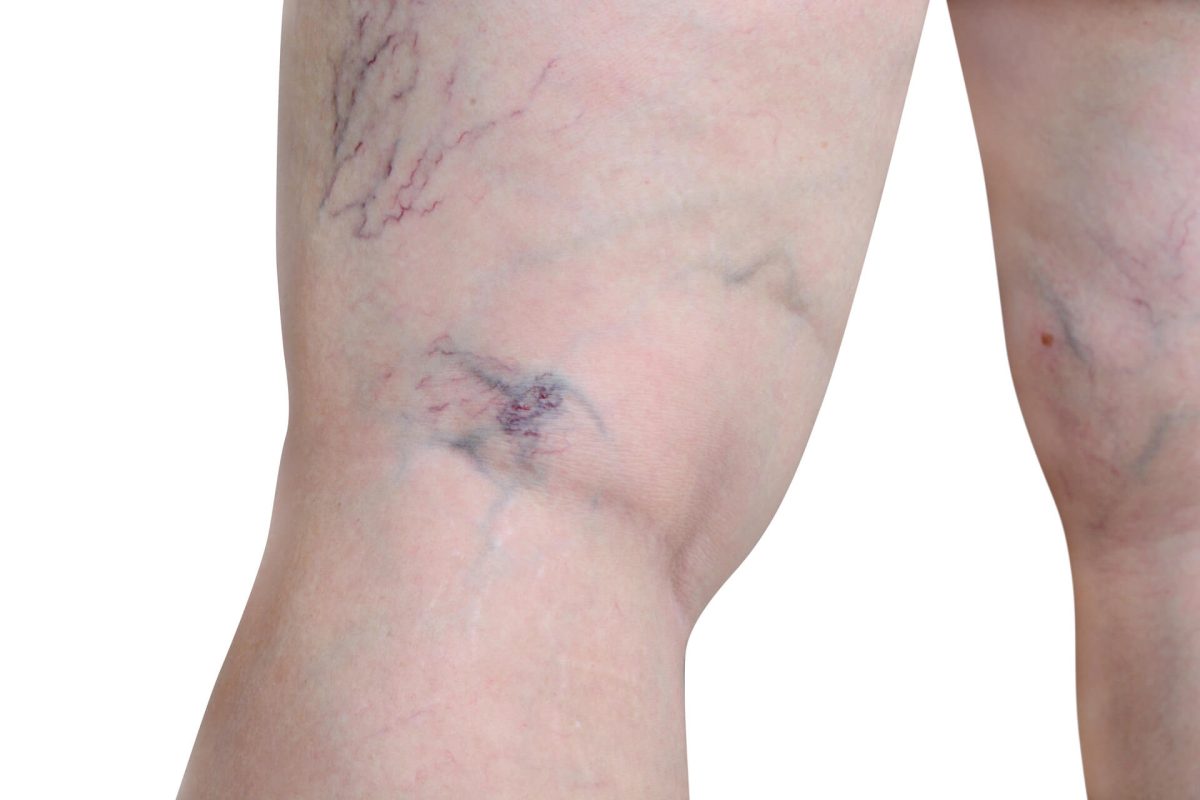
Spider Veins
  • Thin, web-like veins visible on the skin
  • Red, blue, or purple in colour
  • Common on thighs, calves, and around the ankles
Reticular Veins
  • Slightly larger than spider veins
  • Blue or greenish
  • Often act as feeder veins for spider veins

While these veins are usually harmless, they can sometimes be linked to deeper vein problems.

Why Do Tiny Veins Appear on the Legs?

Several factors contribute to the development of tiny veins:

1. Weak or Damaged Vein Valves

Veins have one-way valves that help blood flow back to the heart. When these valves weaken, blood pools in the veins, causing them to become visible.

2. Genetics

A family history of varicose or spider veins increases your risk.

3. Prolonged Standing or Sitting

Jobs that require long hours of standing or sitting increase pressure in leg veins.

4. Hormonal Changes

Pregnancy, menopause, and hormonal medications can weaken vein walls.

5. Ageing

As we age, veins lose elasticity, making tiny veins more visible.

6. Obesity

Excess weight puts additional pressure on leg veins.

Tiny Veins on Legs: Cosmetic Issue or Medical Problem?
When Tiny Veins Are Mostly Cosmetic

In many people, tiny veins are:

  • Painless
  • Limited to the surface
  • Not associated with swelling or discomfort

In such cases, they may not pose a medical risk and are often treated for aesthetic reasons.

When Tiny Veins Indicate a Medical Problem

Tiny veins should not be ignored if they are accompanied by symptoms such as:

  • Leg pain or heaviness
  • Burning or itching sensation
  • Swelling of ankles or feet
  • Night cramps
  • Skin discolouration
  • Worsening vein appearance over time

These symptoms may indicate chronic venous insufficiency, where blood flow in the veins is impaired.

Can Spider Veins Lead to Varicose Veins?

Yes, in some cases.

Spider veins may be an early sign of venous disease. If the underlying problem is not treated, it can progress to:

  • Varicose veins
  • Skin changes
  • Venous ulcers
  • Blood clots

Early evaluation by a vein specialist helps prevent complications.

Who Is at Higher Risk?

You may be more prone to developing problematic tiny veins if you:

  • Have a family history of vein disease
  • Are pregnant or have had multiple pregnancies
  • Stand or sit for long hours
  • Have a sedentary lifestyle
  • Are overweight
How Are Tiny Veins on Legs Diagnosed?

At Surekha Varicose Veins Clinic, diagnosis begins with a detailed clinical evaluation.

Clinical Examination
  • Assessment of visible veins
  • Evaluation of symptoms
  • Examination of skin changes
Doppler Ultrasound

A painless test that checks:

  • Blood flow in leg veins
  • Valve function
  • Presence of deeper vein issues

This step is crucial to determine whether the problem is cosmetic or medical.

Treatment Options for Tiny Veins on Legs

Treatment depends on whether the veins are superficial or linked to deeper vein disease.

Non-Surgical and Minimally Invasive Treatments

1. Sclerotherapy
  • A solution is injected into tiny veins
  • Causes veins to collapse and fade
  • Ideal for spider and reticular veins
2. Laser Treatment
  • Uses focused light energy
  • Seals tiny veins without injections
  • Minimal discomfort and downtime
3. Compression Therapy
  • Helps improve blood circulation
  • Reduces symptoms like swelling and heaviness

Treating Underlying Venous Disease

If Doppler studies reveal venous insufficiency, treatment focuses on correcting the root cause to prevent recurrence.

Advanced vein treatments may be recommended depending on severity.

Why Early Treatment Matters

Ignoring tiny veins that have medical significance can lead to:

  • Progressive vein disease
  • Skin pigmentation
  • Hardening of skin
  • Non-healing leg ulcers

Early treatment not only improves appearance but also protects long-term vein health.

Why Choose Surekha Varicose Veins Clinic?

Surekha Varicose Veins Clinic is known for specialised vein care using modern, minimally invasive techniques.

Expertise of Dr. Ashish Dhadas

Dr. Ashish Dhadas is an experienced vein specialist with a strong focus on:

  • Accurate diagnosis
  • Treating the root cause, not just visible veins
  • Minimally invasive procedures
  • Faster recovery and excellent cosmetic outcomes

Patients receive personalised care tailored to their symptoms and vein condition.

Lifestyle Tips to Prevent Tiny Veins from Worsening
  • Avoid prolonged standing or sitting
  • Take regular walking breaks
  • Maintain a healthy weight
  • Elevate legs when resting
  • Wear comfortable footwear
  • Follow compression advice if recommended

These steps support vein health and prevent progression.

When Should You See a Vein Specialist?
  • Consult a vein specialist if:

    • Tiny veins are increasing in number
    • You experience pain, swelling, or heaviness
    • Skin colour around ankles changes
    • Veins affect your confidence or daily comfort

    Early evaluation ensures peace of mind and timely treatment.

Final Thoughts: Cosmetic Concern or Medical Warning?

Tiny veins on legs are often considered a cosmetic issue, but in many cases, they can be a sign of an underlying medical condition. The key lies in recognising associated symptoms and seeking expert evaluation.

At Surekha Varicose Veins Clinic, Dr. Ashish Dhadas offers comprehensive vein assessment and advanced treatment options to address both cosmetic concerns and medical risks helping patients achieve healthier, pain-free legs with confidence.

Varicose Veins Can Lead to Venous Leg Ulcers

Why Varicose Veins Can Lead to Venous Leg Ulcers

Varicose veins are often dismissed as a cosmetic concern, but in reality, they indicate underlying venous circulation problems, says Dr. Ashish Dhadas, leading varicose veins specialist in Mumbai at Surekha Varicose Veins Clinic. If left untreated, varicose veins can progress into a serious and painful condition known as venous leg ulcers. Understanding the connection between varicose veins and venous ulcers is crucial for early treatment and long-term prevention.

Venous leg ulcers are open, slow-healing wounds, usually found near the ankles or lower legs. They are caused by chronic venous insufficiency (CVI) and can significantly affect mobility, comfort, and quality of life.

Understanding Varicose Veins and Venous Circulation

Healthy veins carry blood from the legs back to the heart with the help of one-way valves. These valves prevent blood from flowing backward due to gravity.

In people with varicose veins, these valves become weak or damaged, causing blood to pool in the veins instead of flowing upward efficiently. This leads to venous hypertension, or increased pressure inside the veins.

Over time, this sustained pressure damages surrounding tissues and disrupts normal blood circulation, creating conditions that can lead to skin damage and venous ulcers.

What Are Venous Leg Ulcers?

A venous leg ulcer is a chronic open wound caused by long-standing venous disease. Unlike normal wounds, venous ulcers heal slowly because poor circulation limits oxygen and nutrient delivery to the skin.

These ulcers commonly develop:

  • Around the inner ankle
  • On the lower leg
  • In areas where varicose veins are prominent

Venous ulcers tend to recur unless the underlying vein problem is treated.

How Varicose Veins Progress to Venous Leg Ulcers
Persistent High Venous Pressure

Varicose veins cause prolonged pressure in leg veins. This pressure forces fluid and inflammatory cells into surrounding tissues, making the skin fragile and prone to breakdown.

Reduced Oxygen Supply to the Skin

Poor blood flow leads to chronic hypoxia, meaning the skin receives insufficient oxygen and nutrients. This weakens the skin and delays healing.

Skin and Tissue Damage

Advanced venous disease causes visible skin changes, including:

  • Dark skin discoloration (hyperpigmentation)
  • Thickened or hardened skin (lipodermatosclerosis)
  • Itching and venous eczema

These changes are strong warning signs of impending ulcer formation.

Inflammation and Poor Healing

Inflammation damages tiny blood vessels in the skin, impairing the healing process. Even small cuts or scratches can gradually turn into chronic venous leg ulcers.

Early Warning Signs Before an Ulcer Develops

Venous leg ulcers rarely appear suddenly. Common warning signs include:

  • Persistent leg swelling, especially by evening
  • Leg heaviness or aching
  • Skin darkening near the ankles
  • Itching, dryness, or eczema-like rashes
  • Hardening of skin around the lower legs

Consulting a varicose veins specialist at this stage can prevent ulcer formation.

Why Venous Leg Ulcers Are Difficult to Heal

Venous leg ulcers heal slowly because the root cause of poor venous circulation continues to exist.

Key reasons for delayed healing include:

  • Ongoing venous hypertension
  • Chronic inflammation
  • Reduced immunity in affected tissues
  • Repeated swelling that reopens healing wounds

Without proper vein treatment, ulcers can persist for months or even years.

Who Is at Higher Risk of Venous Leg Ulcers?

People at increased risk include:

  • Individuals with long-standing varicose veins
  • Patients with a history of deep vein thrombosis (DVT)
  • People who stand or sit for long hours
  • Older adults
  • Individuals with obesity
  • Patients with limited mobility

Pregnancy and genetic factors can also increase the risk of chronic venous disease.

Role of Varicose Vein Treatment in Preventing Ulcers

Early treatment of varicose veins plays a vital role in preventing venous leg ulcers. Modern minimally invasive varicose vein treatments effectively reduce venous pressure and improve blood flow.

Common treatment options provided by Surekha Varicose Veins Clinic at Mumbai are:

According to Dr. Ashish Dhadas, leading varicose veins specialist in Mumbai at Surekha Varicose Veins Clinic, treating the root venous problem is essential for long-term ulcer healing and prevention of recurrence.

Importance of Lifestyle Changes

In addition to medical treatment, lifestyle modifications help slow disease progression:

  • Regular walking to activate the calf muscle pump
  • Elevating legs to reduce swelling
  • Maintaining a healthy weight
  • Wearing prescribed compression stockings
  • Avoiding prolonged standing or sitting

These steps help lower venous pressure and support skin healing.

When to See a Doctor

Seek immediate medical attention if:

  • A leg wound does not heal within 2–3 weeks
  • There is increasing pain, redness, or discharge
  • Swelling worsens despite elevation
  • Skin around the wound becomes hard or dark

Early evaluation by a varicose veins doctor in Mumbai can prevent serious complications such as infection, scarring, and recurrent ulcers.

Conclusion

Varicose veins are not just a cosmetic issue, they are a sign of chronic venous dysfunction that can progress to serious complications like venous leg ulcers if ignored. This progression is gradual but highly preventable with early diagnosis, appropriate treatment, and lifestyle changes.

Addressing varicose veins early not only improves appearance but restores healthy circulation, protects the skin, and prevents chronic wounds. If you notice persistent leg swelling, skin changes, or visible varicose veins, consult an experienced specialist like Dr. Ashish Dhadas at Surekha Varicose Veins Clinic for timely care and long-term leg health.