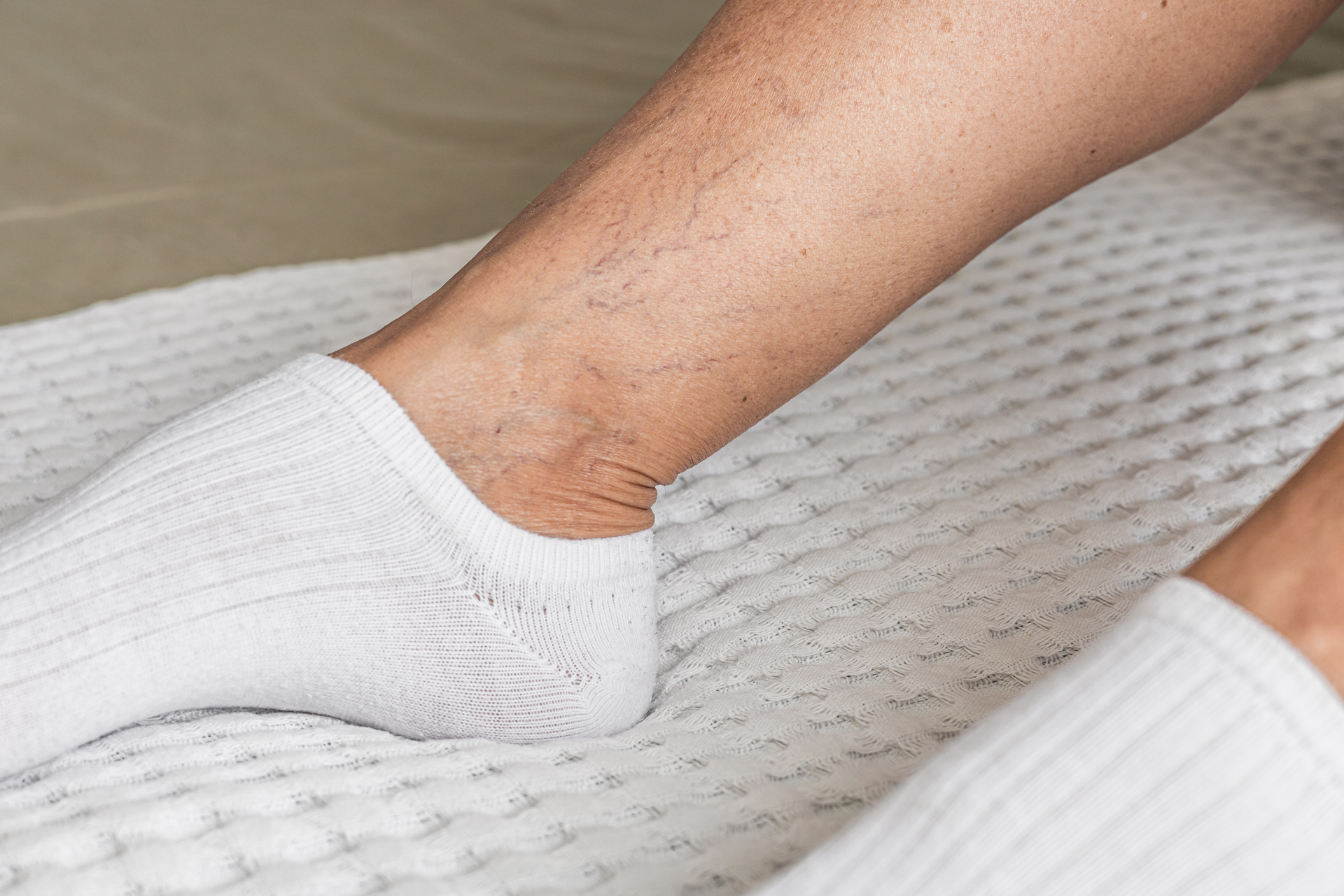
Tiny veins on the legs are a common concern for many people. Often appearing as red, blue, or purple web-like lines on the skin, these veins are frequently dismissed as a cosmetic problem. However, in some cases, they may be an early warning sign of an underlying vein disorder.
Understanding whether tiny veins on legs are purely cosmetic or a medical issue is essential for timely diagnosis and effective treatment. At Surekha Varicose Veins Clinic, Dr. Ashish Dhadas, a trusted vein specialist, helps patients identify the root cause and choose the right treatment approach.
What Are Tiny Veins on the Legs?
Tiny veins on the legs are usually classified as:
Spider Veins
- Thin, web-like veins visible on the skin
- Red, blue, or purple in colour
- Common on thighs, calves, and around the ankles
Reticular Veins
- Slightly larger than spider veins
- Blue or greenish
- Often act as feeder veins for spider veins
While these veins are usually harmless, they can sometimes be linked to deeper vein problems.
Why Do Tiny Veins Appear on the Legs?
Several factors contribute to the development of tiny veins:
1. Weak or Damaged Vein Valves
Veins have one-way valves that help blood flow back to the heart. When these valves weaken, blood pools in the veins, causing them to become visible.
2. Genetics
A family history of varicose or spider veins increases your risk.
3. Prolonged Standing or Sitting
Jobs that require long hours of standing or sitting increase pressure in leg veins.
4. Hormonal Changes
Pregnancy, menopause, and hormonal medications can weaken vein walls.
5. Ageing
As we age, veins lose elasticity, making tiny veins more visible.
6. Obesity
Excess weight puts additional pressure on leg veins.
Tiny Veins on Legs: Cosmetic Issue or Medical Problem?
When Tiny Veins Are Mostly Cosmetic
In many people, tiny veins are:
- Painless
- Limited to the surface
- Not associated with swelling or discomfort
In such cases, they may not pose a medical risk and are often treated for aesthetic reasons.
When Tiny Veins Indicate a Medical Problem
Tiny veins should not be ignored if they are accompanied by symptoms such as:
- Leg pain or heaviness
- Burning or itching sensation
- Swelling of ankles or feet
- Night cramps
- Skin discolouration
- Worsening vein appearance over time
These symptoms may indicate chronic venous insufficiency, where blood flow in the veins is impaired.
Can Spider Veins Lead to Varicose Veins?
Yes, in some cases.
Spider veins may be an early sign of venous disease. If the underlying problem is not treated, it can progress to:
- Varicose veins
- Skin changes
- Venous ulcers
- Blood clots
Early evaluation by a vein specialist helps prevent complications.
Who Is at Higher Risk?
You may be more prone to developing problematic tiny veins if you:
- Have a family history of vein disease
- Are pregnant or have had multiple pregnancies
- Stand or sit for long hours
- Have a sedentary lifestyle
- Are overweight
How Are Tiny Veins on Legs Diagnosed?
At Surekha Varicose Veins Clinic, diagnosis begins with a detailed clinical evaluation.
Clinical Examination
- Assessment of visible veins
- Evaluation of symptoms
- Examination of skin changes
Doppler Ultrasound
A painless test that checks:
- Blood flow in leg veins
- Valve function
- Presence of deeper vein issues
This step is crucial to determine whether the problem is cosmetic or medical.
Treatment Options for Tiny Veins on Legs
Treatment depends on whether the veins are superficial or linked to deeper vein disease.
Non-Surgical and Minimally Invasive Treatments
1. Sclerotherapy
- A solution is injected into tiny veins
- Causes veins to collapse and fade
- Ideal for spider and reticular veins
2. Laser Treatment
- Uses focused light energy
- Seals tiny veins without injections
- Minimal discomfort and downtime
3. Compression Therapy
- Helps improve blood circulation
- Reduces symptoms like swelling and heaviness
Treating Underlying Venous Disease
If Doppler studies reveal venous insufficiency, treatment focuses on correcting the root cause to prevent recurrence.
Advanced vein treatments may be recommended depending on severity.
Why Early Treatment Matters
Ignoring tiny veins that have medical significance can lead to:
- Progressive vein disease
- Skin pigmentation
- Hardening of skin
- Non-healing leg ulcers
Early treatment not only improves appearance but also protects long-term vein health.
Why Choose Surekha Varicose Veins Clinic?
Surekha Varicose Veins Clinic is known for specialised vein care using modern, minimally invasive techniques.
Expertise of Dr. Ashish Dhadas
Dr. Ashish Dhadas is an experienced vein specialist with a strong focus on:
- Accurate diagnosis
- Treating the root cause, not just visible veins
- Minimally invasive procedures
- Faster recovery and excellent cosmetic outcomes
Patients receive personalised care tailored to their symptoms and vein condition.
Lifestyle Tips to Prevent Tiny Veins from Worsening
- Avoid prolonged standing or sitting
- Take regular walking breaks
- Maintain a healthy weight
- Elevate legs when resting
- Wear comfortable footwear
- Follow compression advice if recommended
These steps support vein health and prevent progression.
When Should You See a Vein Specialist?
Consult a vein specialist if:
- Tiny veins are increasing in number
- You experience pain, swelling, or heaviness
- Skin colour around ankles changes
- Veins affect your confidence or daily comfort
Early evaluation ensures peace of mind and timely treatment.
Final Thoughts: Cosmetic Concern or Medical Warning?
Tiny veins on legs are often considered a cosmetic issue, but in many cases, they can be a sign of an underlying medical condition. The key lies in recognising associated symptoms and seeking expert evaluation.
At Surekha Varicose Veins Clinic, Dr. Ashish Dhadas offers comprehensive vein assessment and advanced treatment options to address both cosmetic concerns and medical risks helping patients achieve healthier, pain-free legs with confidence.