Winter is a season of cozy sweaters, warm beverages, and chilly winds. However, for individuals suffering from varicose veins, the colder months can bring unique challenges. Varicose veins are swollen, twisted veins, commonly affecting the legs, caused by poor blood circulation and faulty vein valves. Cold weather can aggravate symptoms like pain, swelling, and discomfort if proper care is not taken.
This winter care guide by Surekha Varicose Veins Clinic will help you manage varicose veins symptoms, improve circulation, and maintain overall leg vein health during the colder months.
How Winter Affects Varicose Veins
According to Dr. Ashish Dhadas, leading varicose veins specialist in Mumbai at Surekha Varicose Veins Clinic, During winter, blood vessels tend to constrict to conserve body heat. While this helps maintain warmth, it can reduce blood circulation in the legs, worsening varicose vein symptoms such as:
- Leg heaviness and fatigue
- Swelling in ankles and calves
- Increased pain and aching
- Dry, itchy skin around veins
Cold weather often leads to reduced physical activity, which further slows blood flow and increases vein pressure. That’s why winter-specific varicose vein care is essential.
Winter Skincare for Varicose Veins
Dry winter air can damage sensitive skin around visible veins. Maintaining proper skincare helps prevent irritation and complications such as venous eczema.
Skincare tips recommendations by Dr. Ashish Dhadas for varicose veins in winter are:
- Moisturize daily: Use thick creams with shea butter, almond oil, or vitamin E
- Avoid very hot showers: Hot water can dilate veins and worsen inflammation choose lukewarm water instead
- Gentle massage: Light massage improves circulation, but avoid deep pressure on bulging veins
Clothing and Compression Tips
What you wear in winter plays a crucial role in varicose vein management.
- Avoid tight clothing: Skinny jeans or tight thermals can restrict blood flow
- Wear compression stockings: Medical-grade compression stockings improve circulation, reduce swelling, and prevent pain even in winter. Thermal compression stockings are ideal for cold weather
- Layer smartly: Avoid folding socks or stockings tightly at the top, as this can constrict veins
Lifestyle and Exercise During Winter
Staying active is one of the most effective ways to manage varicose veins, says Dr. Ashish Dhadas
Best winter exercises for varicose veins:
- Indoor walking, yoga, and stretching
- Stationary cycling or light aerobics
- Simple ankle rotations and calf raises
Additional tips:
- Elevate your legs after long periods of sitting or standing
- Take short movement breaks every hour, especially if you work from home
Diet Tips for Winter Varicose Vein Care
A healthy diet supports vein strength and circulation.
- Increase fiber intake: Whole grains, fruits, and vegetables help prevent constipation
- Stay hydrated: Drink enough water even if you don’t feel thirsty
- Eat antioxidant-rich foods: Citrus fruits, berries, spinach, and broccoli strengthen vein walls
- Limit salt intake: Excess sodium causes fluid retention and leg swelling
Protect Your Veins From Cold Exposure
Cold exposure can worsen vein discomfort if precautions are not taken.
- Keep your legs warm using thermal leggings or blankets
- Avoid prolonged standing in cold nvironments
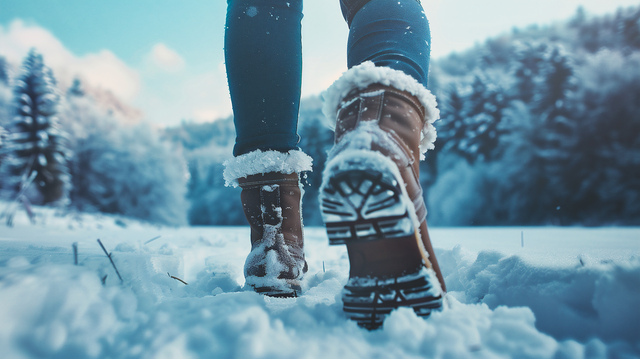
- Wear insulated, comfortable footwear that does not restrict blood flow
- Avoid tight boots around ankles and calves
When to Seek Medical Advice
Lifestyle changes help, but medical consultation is necessary if symptoms worsen. You should see a varicose veins specialist if you notice:
- Severe or persistent leg pain
- Continuous swelling despite elevation
- Skin discoloration or ulcers near veins
- Sudden changes in vein appearance
According to Dr. Ashish Dhadas, leading varicose veins specialist in Mumbai at Surekha Varicose Veins Clinic, early diagnosis and timely treatment can prevent serious complications such as blood clots and chronic venous insufficiency.
Advanced treatments like sclerotherapy, laser treatment for varicose veins, and endovenous procedures offer safe and effective relief with minimal downtime.
Myths and Misconceptions About Varicose Veins in Winter
Myth: Cold weather prevents swelling
Fact: Reduced movement and poor circulation can worsen symptoms
Myth: Varicose veins are only cosmetic
Fact: Untreated varicose veins can lead to ulcers, pain, and serious vascular issues
Myth: Compression stockings are only for summer
Fact: Compression therapy is essential year-round
Conclusion
Winter doesn’t have to be uncomfortable for people with varicose veins. With proper skincare, compression therapy, regular movement, and a balanced diet, you can effectively manage symptoms and protect your vein health. Simple daily habits like staying active indoors, keeping your legs warm, and wearing compression stockings can make a significant difference.
If symptoms persist or worsen, consult an experienced specialist like Dr. Ashish Dhadas at Surekha Varicose Veins Clinic, Mumbai, for expert diagnosis and advanced treatment options. Early intervention ensures long-term relief and healthier legs.